Product design services
UX and UI design for web and mobile products: research, an interactive prototype in days, then the interface and the design system in Figma, ready for the engineers who build it. Designers lead the work, and AI accelerates it.
Designers lead, AI accelerates
Our designers own the problem, the flows and every decision about the interface. AI does the work that used to take the time: it synthesizes research, generates prototype screens and interface variations, and drafts the documentation. Every output is reviewed and shaped by a designer before you see it.
In practice that means an interactive prototype in days, more options explored before the first design review, and a design system that keeps the product consistent as it grows.
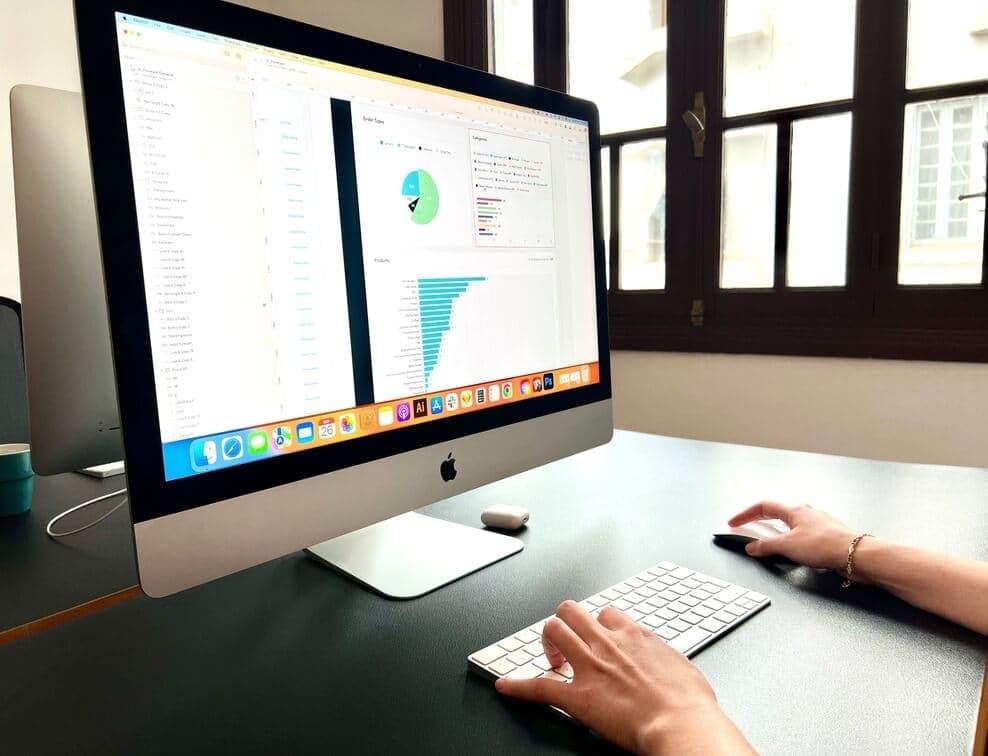
The design process
Four steps, with the tools named where they are used and a deliverable at the end of each.
01Discover
You get: a research summary, personas and user flows
We start with your goal, your users and your competitors. Research is synthesized with Claude, personas and user flows are drafted from it, and a designer decides which flows the first version needs.02Prototype
Timeframe: days
A high-fidelity interactive prototype: real screens, real flows, something you can click through and show to customers and investors. Generated with Claude Design, Figma Make or Replit, directed and refined by a designer, and validated with you before anything is built.03Design
You get: UI design, a design system, brand identity where needed
The interface designed in Figma: every screen the product needs, a design system of components and tokens so the product stays consistent as it grows, brand identity when the product needs its own, and accessibility checks along the way. Figma Make generates variations; the designer chooses.04Handoff and build
You get: dev-ready Figma files, or the interface built with our engineers
Engineers build from the prototype and the design system, and the designer stays with the build so the interface ships as designed. Design runs alongside engineering, so it does not add weeks to the project.
What you get
The deliverables of a product design engagement, all of them in files you own.
Research summary and personas
Who the users are and what they are trying to get done, written down.User flows
The paths through the product, from first open to the moment of value.Interactive prototype
High-fidelity and clickable, on a phone or in a browser, in days.UI design
Every screen of the product, designed in Figma.Design system
Components, tokens and rules that keep the interface consistent as the product grows and more people work on it.Brand identity
Name, mark, type and color, when the product needs its own.Accessibility checks
Contrast, structure and keyboard use checked as part of the design, not after it.Dev-ready handoff
Figma files and a design system engineers can build from, or the interface built together with ours.
What we design
Interfaces for products at every stage, and the pieces around them.
- Web and mobile apps
- The screens and flows of the product itself, on the web and in iOS and Android apps.
- Dashboards
- Data-heavy interfaces where the hard part is deciding what to show.
- Marketing sites
- The site that explains the product, designed to convert.
- Redesigns
- A new interface for a product that already has users, tested against the current one.
“WeaveLines knowledge of the startup world and their dedication to us prospering in it was incredible. I am very impressed with their knowledge of the user experiences and their ability to predict future problems.”

- MVPs launched
- 36
- Startups coached
- 150+
- Mentorship programs
- 12
- Founded
- 2017
Frequently asked questions
What does product design include?
Research, personas and user flows; an interactive prototype in days; the UI and the design system in Figma; brand identity when the product needs its own; and a handoff engineers can build from. At WeaveLines the same team designs and builds the product, so the handoff is short and the interface ships as designed.
Do you do user research?
Yes: your audience, your competitors and your market, synthesized with AI and read by a designer, plus what you know about your customers. The prototype then goes in front of your customers and investors, and their reactions shape the next version. WeaveLines designs from evidence, not from taste alone.
Which tools do you use?
Figma for the interface and the design system. Claude Design, Figma Make and Replit for interactive prototypes and interface variations. Claude for research synthesis and first drafts. At WeaveLines designers direct the tools and review every output; nothing reaches you unreviewed.
How fast is it?
A first interactive prototype in days. The UI and the design system follow within the project timeline, running alongside engineering rather than before it, which is how an MVP designed by WeaveLines goes live in 2 to 6 weeks.
Can you redesign a product that already exists?
Yes. WeaveLines starts with a short review of the current product and how people use it, prototypes the new interface in days, and keeps what works so your users do not have to relearn everything at once.
Do you also build what you design?
Yes. Design and engineering happen in the same place at WeaveLines, so the interface ships as designed. If you have your own engineers, we hand over dev-ready Figma files and a design system they can build from.
From the blog
How we prototype with AI tools: from a brief to an interactive prototype in days
The first thing a client sees from WeaveLines is a high-fidelity interactive prototype, in days. How a brief becomes screens with Claude Design, Figma Make and Replit, what the designer decides, what we validate with you, and what happens next.Read moreDesign systems for startups: when to build one, and what it saves later
A design system is the set of tokens, components and rules that keeps a product consistent as it grows. For a startup the question is not whether to have one but when. What a design system is, what it saves, when it is too early, and how to start small.Read moreCrafting Success: Navigating the Startup Journey with Customer Personas
Using customer personas in a B2B (business-to-business) can help startup founders and entrepreneurs better understand and target their ideal customers.Read more
See your product before it is built
Tell us what you are building. An interactive prototype in days is the fastest way to find out whether it works.
Get in touch with us
Reach out to us to explore limitless possibilities for your startup. Let’s collaborate and transform your ideas into success stories.
Our offices
- HeadquartersWeaveLines LLCrue Slah Eddine Bouchoucha2026 Sidi Bou SaidTunis, Tunisia
- Tunis OfficeWeaveLines LLC39 rue Ibn Khaldoun1002 Tunis, Tunisia