For Corporates
A product team for the ventures your organisation has decided to build.
We decide what goes into the first version with you, build it in the stack it will grow in, and hand it to the people who will run it.
 Ventures · Internal products
01 · What we do
Product management, design and engineering.
Product management
Someone owns the product side with you and decides what to build, in what order, and why. The case tells you what the opportunity is. A product lead turns it into a first version worth building and a written list of what was left out, with the reason beside each item. That list is what protects the launch date.
Product Management
Product design
Research with the people who will use the product, a high-fidelity interactive prototype within days, shaped with you until it is close to the product that will ship. Your sponsor and your business unit see the venture before anyone writes production code.
Product Design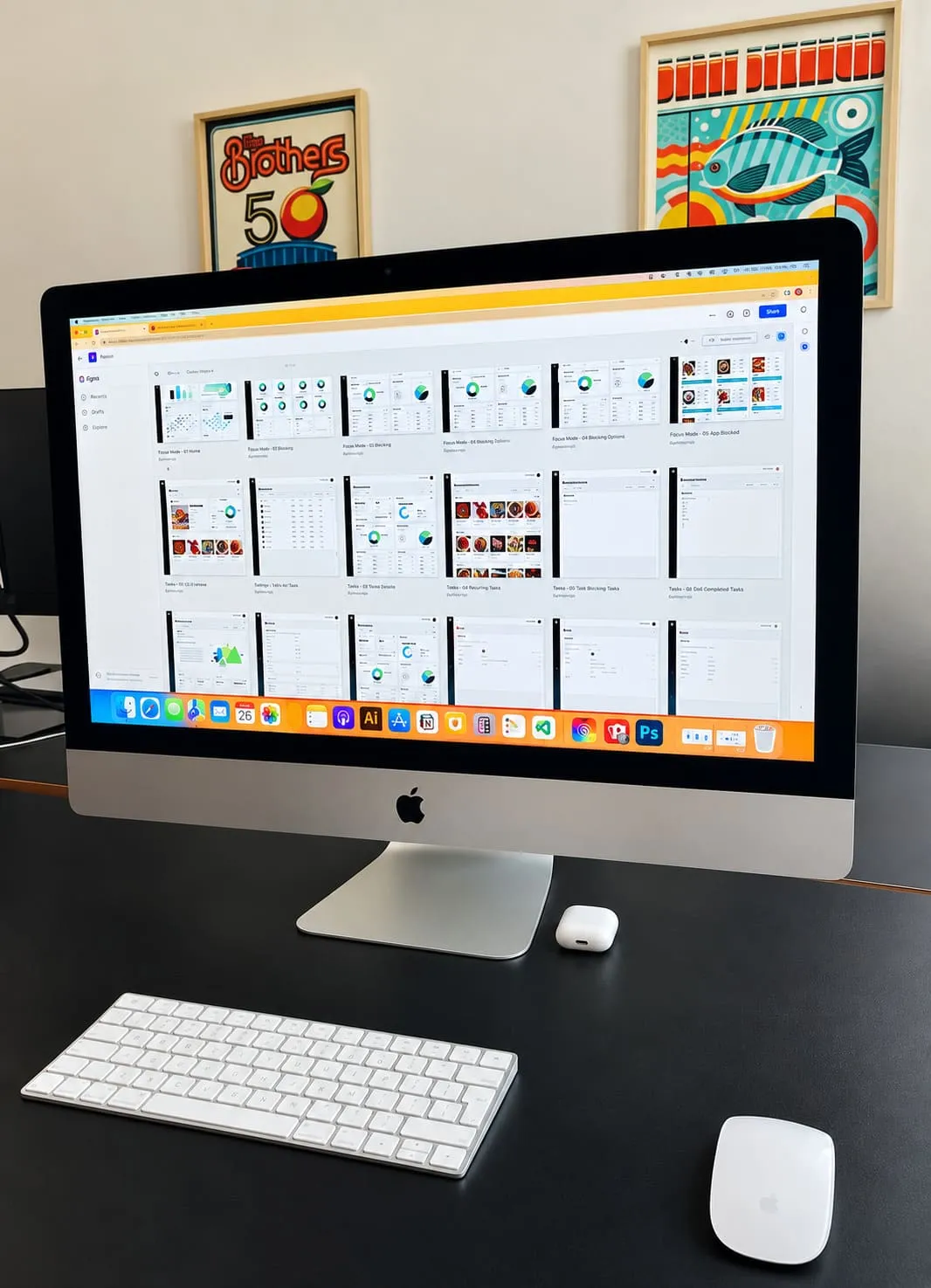
Product build
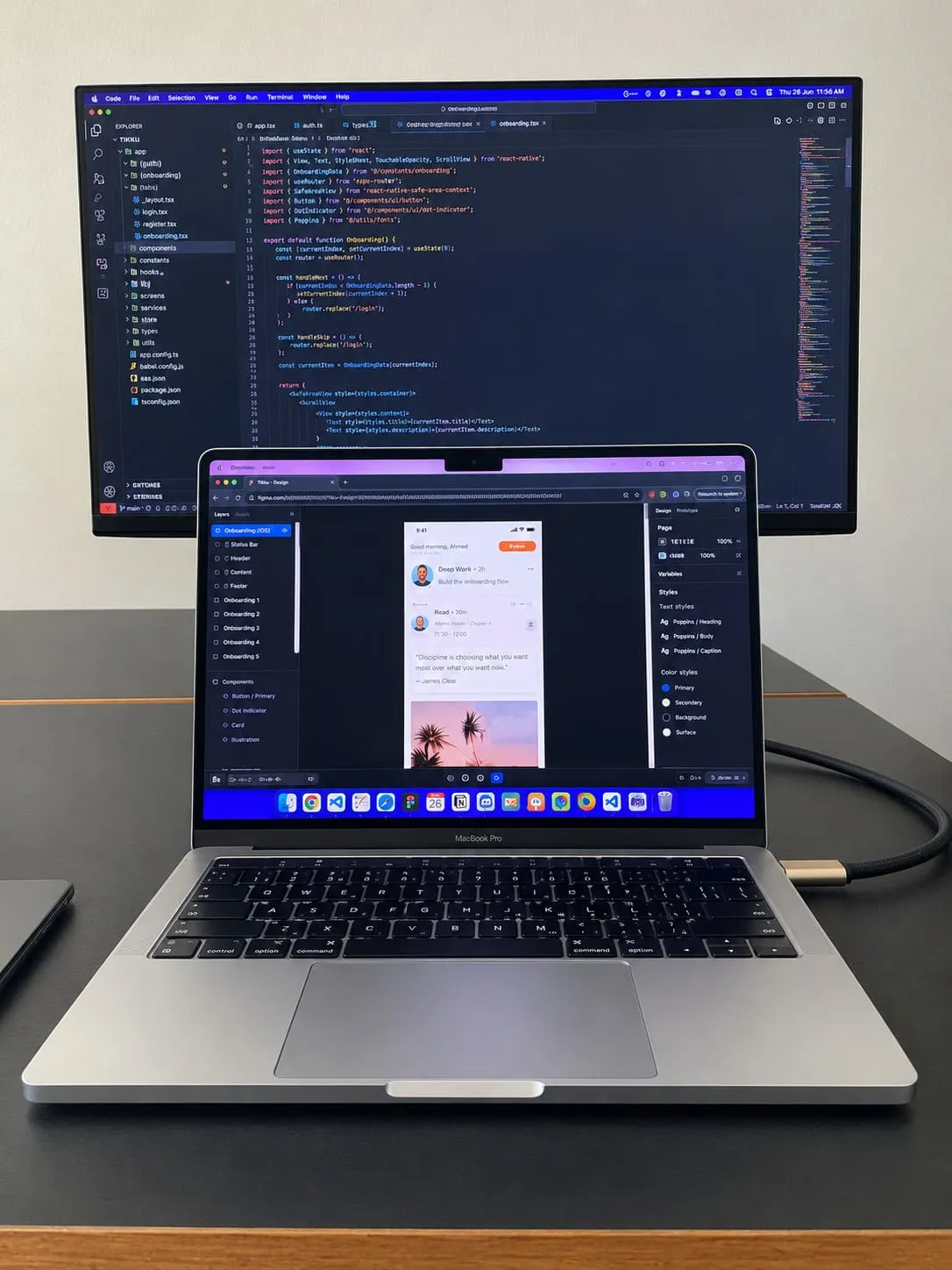
Engineers build from the prototype in the stack the product will grow in. AI coding tools every day, automated tests and CI before anything ships, a second engineer where the risk is, and monitoring in place before the first user arrives.
Product Development
02 · Product Management
Why this and not that, and how to build it.
The venture arrives from the strategy team as an approved case with a long list of capabilities attached. Nobody inside the organisation is professionally responsible for cutting that list, because cutting it can look like reducing the ambition the board signed off.
So the first version carries everything, the launch date moves, and by the time it reaches a customer the signal is gone. It is the same failure we see in overbuilt MVPs, at a larger scale and with more money attached.
What we sell is the person who does that job. Two questions, either side of the build.
Why this and not that
The case says what the opportunity is. Product management decides which version of it to build first, what goes into the first release, what is deliberately left out, and what the reason is for each cut. Everything cut goes on a written list with its reason, so the decision stays with your sponsor and nothing is lost.
How to build it
Scope, sequence, the release plan, what gets prototyped before it gets built, what gets measured after each release, and what that means for the next one.
A product lead sets direction and scope, runs discovery, keeps the backlog honest, and measures what shipped. Specs, stories, acceptance criteria and research summaries are drafted with AI in minutes, and the time that frees goes to the part that cannot be drafted, which is deciding.
A product lead owns every spec that reaches the engineers, and every priority is set by a person who knows your users and your numbers.
Product ManagementA venture that has engineers and a sponsor but nobody owning the product is exactly the situation CPO as a Service was built for.
CPO as a Service
03 · Services
What we build for corporates.
Established companies needing custom software, internal tools or a system modernised.
04 · Built for this market
Products for the Gulf run on rails specific to it.
National identity verification, local payment providers, government e-services, data and cloud requirements, and Arabic from the first release.
Hawyia Units is a marketplace for new residential projects in Saudi Arabia. Buyers find a unit on a map, reserve it with a deposit paid in the app, and Nafath verifies who they are before money moves.
Bilingual from the first release, live on the App Store and Google Play.
Read the Hawyia Units case study
20+
MVPs launched
150+
Startups coached
12
Mentorship programs
2017
Founded
05 · How we work with an internal venture team
We work alongside your people and fill the seats that are empty.
Your sponsor holds the decisions, recorded in writing with the reasoning.
Under your brand where you prefer it.
Intellectual property, code and documentation are assigned to you as they are produced. Our fees carry no equity and no success fee.
Built to be handed over, on widely adopted tools, with operating instructions and monitoring.
The product demonstrated regularly as it is built, by the people building it.
06 · Frequently asked questions
Before the first call.
Who owns the code and the intellectual property?
Your organisation. Intellectual property, code and documentation are assigned to you as they are produced. Our fees carry no equity and no success fee.
How does an engagement start?
With one conversation. It can start small, with one venture or one scoped piece of work. Thirty minutes is enough to establish what it would take.
What happens to the product after launch?
After launch the work changes shape, moving to fixes, new features and the next release. We remain engaged on a monthly retainer for support and growth, or take the fractional CTO or CPO seat when that is what you need. AI-assisted monitoring and error triage keep the small problems small.
Do you work in Arabic?
Arabic from the first release. Hawyia Units is bilingual from the first release, live on the App Store and Google Play.
Bring us the venture you have decided to build.
Tell us where it stands and what remains between it and launch. Thirty minutes is enough to establish what it would take.