What Are Prototypes and Why Are They Important?
Learn why prototyping is crucial for product design and development. Discover the different types of prototypes and best practices for creating effective prototypes.
by Faten Matmati, Founder & CEO
Product development is a complex process that requires careful planning, testing, and refinement to ensure that the final product is functional, usable, and meets the needs of its intended users. One of the most critical components of this process is prototyping. In this article, we explore what prototypes are, why they matter, and how they can help you create better products.
What is a prototype?
In software product development, a prototype is a preliminary version of a product that is created to test and refine its design before it is fully developed and released to the market. It can take various forms, such as a clickable mockup or a functional demo, depending on the goals of the project and the stage of the development process.
The main purpose of prototyping in software product development is to allow designers and developers to evaluate the feasibility, functionality, and usability of a product before investing significant resources into its development. By testing and refining prototypes, product teams can identify and address potential issues early on, such as bugs, usability problems, and feature gaps. This ultimately leads to a better end product that meets the needs of its users and is more likely to succeed in the market.
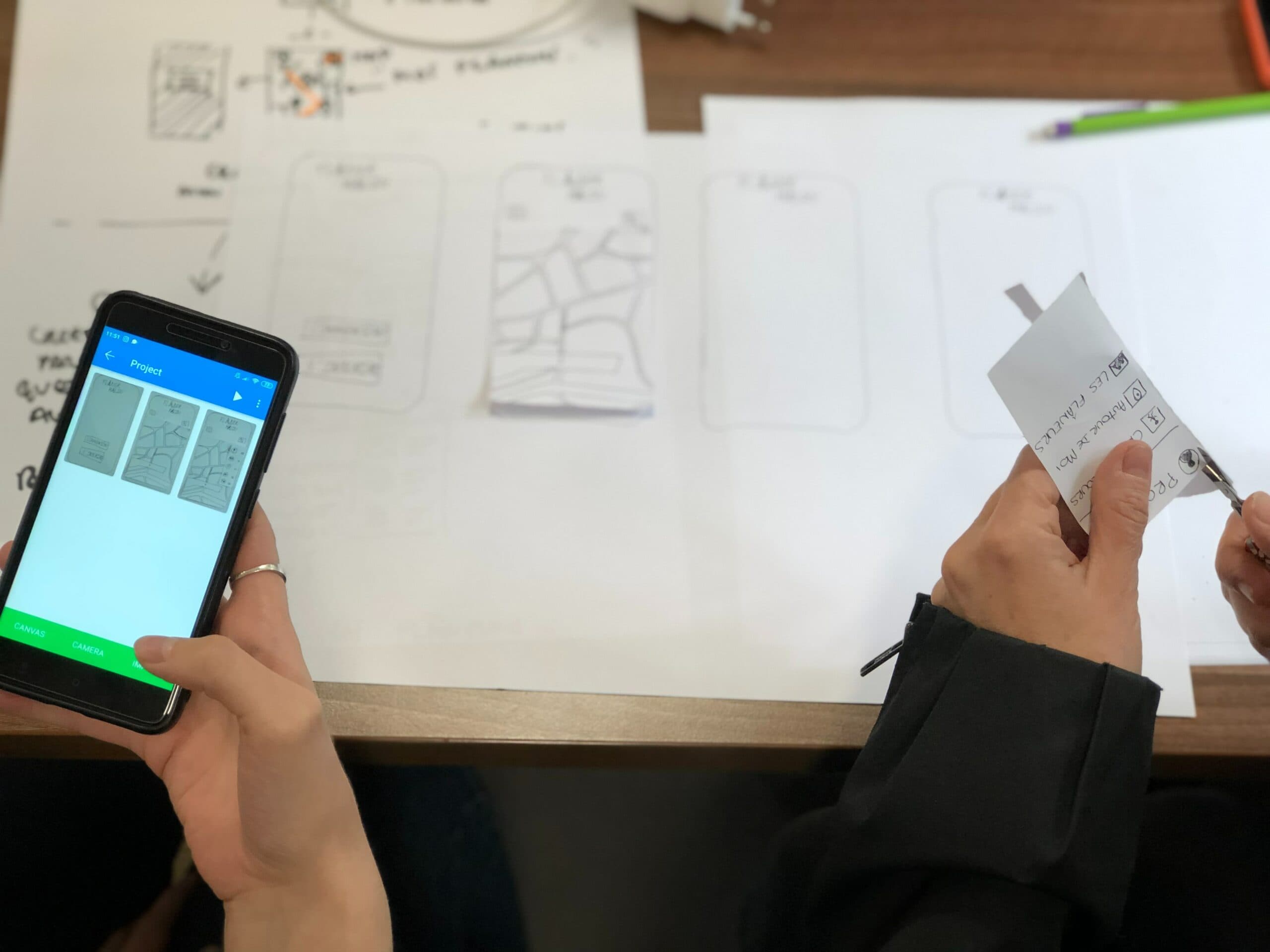
Types of prototypes
In software product development, prototyping is an essential process that enables designers and developers to evaluate the feasibility, functionality, and usability of a product before investing significant resources into its development. Several types of prototypes can be used at different stages of the design process to achieve this goal.
- Paper prototypes are simple sketches or drawings of the software product, created with pen and paper. They are often used in the early stages of the design process to explore different concepts and interactions. Paper prototypes can be an effective way to test basic concepts, such as the layout of the user interface, and to gather feedback from users without investing too much time or too many resources.
- Digital prototypes are interactive mockups of the software product, created with specialized software tools such as Figma, Sketch, or Adobe XD. They can be used to test more complex interactions and user flows, such as user journeys, navigation flows, and animations. Digital prototypes provide a more realistic and immersive experience for users, allowing them to give more accurate feedback on the product’s design.
- Working prototypes are functional demos of the software product, developed with rapid prototyping techniques. They can be used to test the product’s performance and functionality in real-world scenarios, such as usability testing or beta testing. Working prototypes are a powerful tool for uncovering bugs, usability problems, and feature gaps, allowing designers and developers to refine the product’s design before release.
Overall, the type of prototype used in software product development will depend on the specific needs of the design process and the stage of development. Paper and digital prototypes are commonly used in the early stages of the design process to explore different concepts and interactions, while working prototypes are often used later in the development process to test the functionality and performance of the product in real-world scenarios. By combining these prototyping methods, product teams can create a better end product that meets the needs of its users and is more likely to succeed in the market.
Benefits of Prototyping
Prototyping is an essential part of the product design process, offering numerous benefits to designers and businesses alike. By creating prototypes, designers can test and refine their ideas, identify potential issues, and gather feedback from users before investing in full-scale production. This can save time and money in the long run, as it allows designers to make necessary changes early in the process. Prototypes also help businesses communicate their ideas more effectively to stakeholders and investors, increasing the chances of success for the final product.
Best Practices for Prototyping
Prototyping is a crucial step in the software product development process and can help teams create better products. To keep the prototyping process effective and efficient, teams should follow several established practices.
-
Define the problem and goals. Before beginning the prototyping process, it is important to have a clear understanding of the problem you are trying to solve and the goals you want to achieve. This clarity helps you create prototypes that are focused and effective.
-
Use the right tools. Many tools are available for creating prototypes, including Sketch, Adobe XD, InVision, and Figma. Choose the right tool for your project based on your team’s skill set and the requirements of the work.
-
Start simple. When creating your first prototypes, begin with simple designs and interactions. This allows you to iterate quickly and refine your ideas without investing too much time or too many resources.
-
Get feedback early and often. Involve users in the prototyping process as early as possible, and gather feedback at every stage. This feedback helps you identify potential issues and improve the final product.
-
Test for usability. Test your prototypes for usability to ensure that they are intuitive and easy to use. This can be done through user testing, in which you observe how users interact with your prototype and gather feedback on its usability.
-
Be flexible. Prototyping is an iterative process that often involves trial and error. Be willing to make changes as needed, based on feedback from users and stakeholders.
-
Document your process. Documenting your prototyping process helps you improve your workflow and confirm that you are following sound practice. This documentation can include notes on design decisions, user feedback, and iterations of your prototypes.
WeaveLines, your partner for MVP Development
WeaveLines is one of the top agencies for MVP development for startups. We understand the challenges that come with building an MVP, and we support founders from the idea phase through to a finished product. Founders remain supported across their startup journey as they grow, with guidance and mentorship throughout the process. Our team of experienced developers, designers, and project managers works to understand your business goals and objectives and provides a range of services to bring your MVP to life.